
Essential Packaging Design Strategies to Elevate Nutraceutical Brands in India
- HexAura Systems
- Jan 5
- 3 min read

Packaging design plays a crucial role in shaping the success of nutraceutical companies, especially those in the growth stage in India. With increasing competition and evolving consumer preferences, packaging is no longer just a container but a powerful tool to communicate brand values, ensure product safety, and influence buying decisions. This post explores practical packaging design strategies that can help nutraceutical brands stand out and build trust with their customers.

Understand Your Target Consumer
The first step in designing effective packaging is to know who your customers are. Indian nutraceutical consumers vary widely in age, lifestyle, and health awareness. For example, young urban professionals may prefer sleek, minimalistic designs with clear information, while older consumers might value larger fonts and detailed usage instructions.
Conduct surveys or focus groups to gather insights on preferences.
Analyze competitors’ packaging to identify gaps or opportunities.
Consider regional language preferences to improve accessibility.
Understanding your audience helps tailor packaging that resonates emotionally and functionally.
Prioritize Product Safety and Compliance
Nutraceutical products require strict adherence to safety and regulatory standards. Packaging must protect the product from contamination, moisture, and light, which can degrade quality.
Use tamper-evident seals to assure customers of product integrity.
Select materials that provide barrier protection, such as amber glass or high-grade plastics.
Clearly display mandatory information like batch number, expiry date, and ingredient list as per Food Safety and Standards Authority of India (FSSAI) guidelines.
Safe packaging builds consumer confidence and reduces the risk of returns or legal issues.
Use Clear and Honest Labeling
Transparency in labeling is vital for nutraceutical brands. Customers want to know what they are consuming and how it benefits them.
Highlight key ingredients and their benefits in simple language.
Avoid exaggerated claims; instead, use phrases like “based on research” or “supports immunity.”
Include usage instructions and any necessary warnings clearly.
Clear labeling not only educates consumers but also helps build trust and brand credibility.
Choose Sustainable Packaging Materials
Sustainability is gaining importance among Indian consumers. Brands that adopt eco-friendly packaging can differentiate themselves and appeal to environmentally conscious buyers.
Consider biodegradable or recyclable materials like paperboard, glass, or certain bioplastics.
Use minimal packaging to reduce waste without compromising protection.
Communicate your sustainability efforts on the packaging to engage customers.
Sustainable packaging aligns with global trends and can enhance brand reputation.
Design for Convenience and Usability
Packaging should make it easy for consumers to use the product regularly. Convenience can influence repeat purchases and brand loyalty.
Use resealable pouches or easy-to-open caps.
Design packaging that fits well in typical storage spaces like kitchen shelves or gym bags.
Include dosage measuring tools if applicable.
User-friendly packaging improves the overall customer experience and encourages consistent use.
Reflect Brand Identity Through Design
Packaging is a direct reflection of your brand. Consistent use of colors, fonts, and imagery helps create a memorable identity.
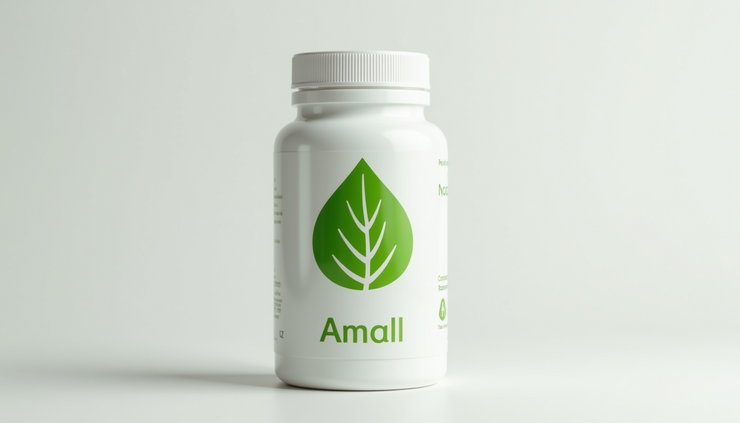
Choose colors that evoke health, vitality, and trust, such as green, blue, or white.
Use clean, readable fonts and avoid clutter.
Incorporate design elements that highlight your brand story or unique selling points.
Strong visual identity helps your product stand out on crowded shelves and online marketplaces.
Test and Iterate Packaging Designs
Before finalizing packaging, test different designs with real consumers.
Use A/B testing in stores or online to see which design attracts more attention.
Gather feedback on readability, appeal, and usability.
Refine designs based on data to improve effectiveness.
Iterative design ensures your packaging meets customer needs and business goals.


Comments